
The Wash Park Historic Home Debate: A Critical Lesson for Denver Renovators and Investors

If you follow Denver real estate, you know the story. A classic, charming home sits on a perfect lot in a beloved neighborhood, but it’s been neglected for decades and would need significant renovations just to be made livable – but that’s typically not the “highest and best use”.
If the owner wants to achieve maximum value in the sale – in my 10 years practicing real estate I’ve yet to come across an owner that doesn’t – the result is often that the property will need to be “scraped” – tear down the existing structure and start from scratch with something new.
Understanding the Heart of Wash Park Denver: The Value of Community
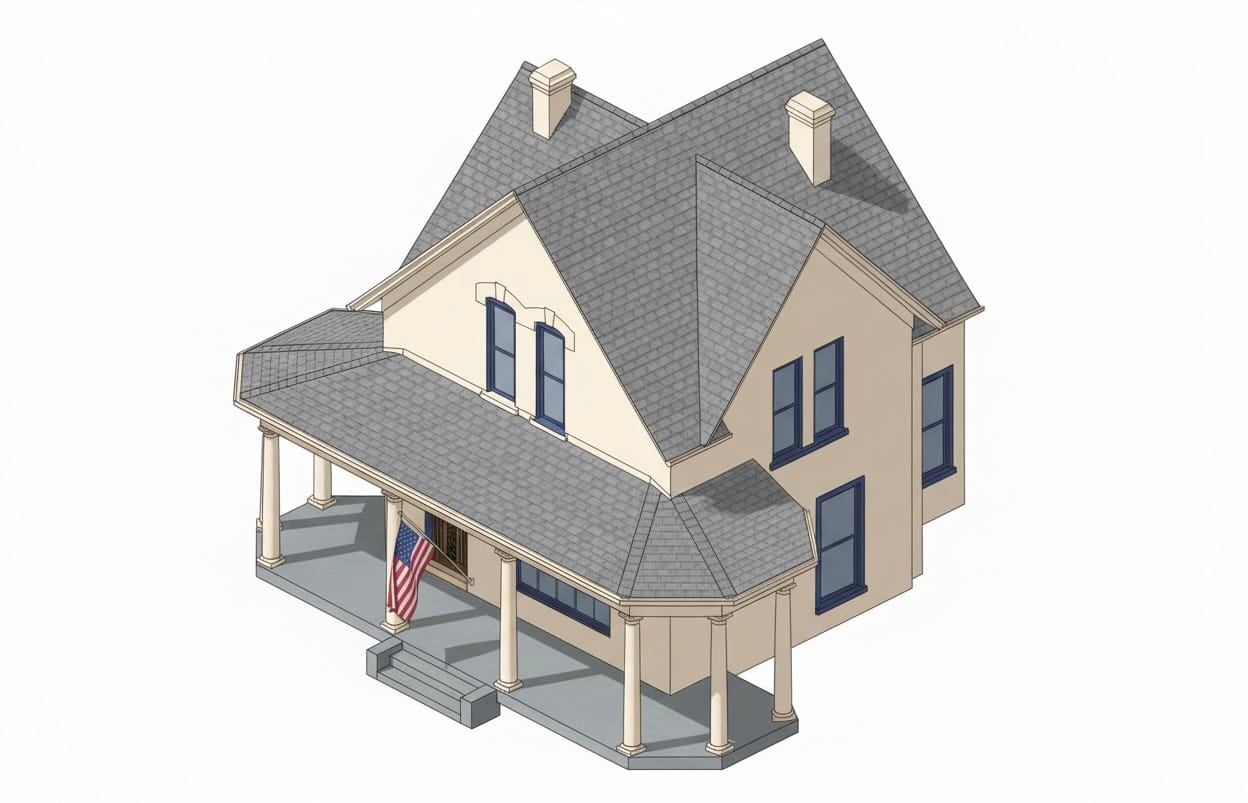
This exact scenario is reigniting a passionate debate in Washington Park, Denver, where a proposal to demolish and rebuild a home at 800 S. Franklin Street has galvanized longtime residents, whose push for preservation has failed after a half-decade fight with two separate owners. This ongoing issue highlights the complexities of real estate in wash park denver.
I actually toured this home with a client back in 2023 (one of several times it was listed for sale). The owner had purchased the property in 2020 with the intent to redevelop, but his efforts had failed to get past neighborhood preservationists. Then, the market turned sour, the home was rented for a time, and was on-and-off the market until finally selling most recently for $2.6 million.
When I toured the home, it was clear it needed to be scraped. It was a mish-mosh of patchwork updates from decades ago, the layout made no sense, the foundation was in bad shape, and the size of the home just wouldn’t work for what buyers command in this part of Wash Park.
But lo and behold – a handful of neighbors got together and decided that anything other than this particular house, on this particular lot, would destroy the character of the entire neighborhood.
This isn’t just about one house, or even “scrape and build” projects alone. It’s a micro-drama of the larger tension in Denver between preserving our city’s history and accommodating its growth.
Whether you’re an investor eyeing your next project or a homebuyer dreaming of renovating a 1920s classic, this story is a crucial lesson. It highlights the complex layers of rules, politics, and culture that govern our city’s most desirable neighborhoods. Before you fall in love with a property’s potential, here’s what you absolutely must know.
The Rules of the Game: It’s More Than Just “By-Right”
Many people assume that if their project meets the city’s basic zoning code, it’s a green light. In Denver’s historic neighborhoods, that’s rarely the full picture. Your project must navigate three distinct layers of regulation.
Layer 1: Zoning – The Baseline
Every property in Denver is governed by the city’s zoning code, which sets the fundamental rules for what can be built “by-right.” For, say, a typical bungalow in Wash Park or West Highland, this code dictates:
- Height: The maximum height your home can be (often 30-35 feet).
- Setbacks: How far the structure must be from the property lines.
- Bulk Plane: An invisible, angled plane that starts at your side property lines and rises over your lot. Your home cannot penetrate this plane, which is designed to protect your neighbors’ access to light and air.
A project that complies with all these rules is considered “by-right.” But as many have learned, by-right does not mean by-acclaim. You can check the specific regulations for any property using the official City of Denver Zoning Map.
Layer 2: Historic Districts – The Ultimate Protection
If the property you’re considering is in a designated historic district (like Potter Highlands or Marion Parkway) or is an individual landmark, the rules change completely.
Any exterior work, from changing a window to building an addition, must be approved by Denver’s Landmark Preservation Commission (LPC). This process is guided by strict design standards specific to that district, which aim to ensure that any changes are appropriate to the historic character.
This is a public process where neighborhood input is a key factor. It offers powerful protection against out-of-character development, but it also adds a significant layer of review and expense to any renovation.
You can see if your property is affected by checking the Denver Landmark Properties and Districts Map.
Layer 3: Design Overlays – The Emerging Middle Ground
A growing number of neighborhoods are seeking a middle path between basic zoning and full historic designation.
A Conservation or Design Overlay District adds specific design rules on top of the base zoning code. These rules are tailored to protect a neighborhood’s specific character – be it the mid-century modern homes of Virginia Village or the bungalows of Berkeley – without the full stringency of the LPC. This is a trend to watch, as the debate in Wash Park will likely lead to a push for such an overlay there.
The Power of People: Don’t Underestimate the RNO
Even if your project is by-right and outside a historic district, there is one more crucial player: the Registered Neighborhood Organization (RNO).
These community groups are the official voice of the neighborhood in the eyes of the city. While they don’t have legal veto power, their influence is immense. A united RNO can:
- Rally public opposition with signs, petitions, and packed community meetings.
- Capture media attention, turning your project into a public debate.
- Gain the ear of the district’s City Council representative, who can create significant hurdles for a controversial project.
Ignoring the RNO is a costly mistake. Proactively engaging with them with a thoughtful, context-sensitive design can be the difference between a smooth project and a year-long battle. You can find the RNO for any neighborhood using the City of Denver’s RNO Directory.
Your Pre-Renovation Checklist: A 4-Step Guide
Feeling overwhelmed? Don’t be. Success comes down to doing your homework.
- Do Your Digital Due Diligence. Before making an offer, use the city links above to check the property’s zoning, landmark status, and RNO. Understand the specific rules that apply.
- Walk the Block. Look for context. Are there other pop-tops? How were they designed? Are there “Stop the Scrape” signs in the yards? The unwritten rules of a neighborhood are often as important as the written ones.
- Hire the Right Team Early. Don’t just hire a builder; hire a local architect who has experience navigating Denver’s neighborhood dynamics and the design review process. A good architect can design an addition that meets your needs while respecting the home’s original character, often by setting the second story back from the front of the house to reduce its visual impact from the street.
- Know the Demolition Rules. If you’re thinking of scraping the existing home rather than renovating, be aware of the Certificate of Non-Historic Status (CNHS) process. For older homes, an application for a demolition permit can trigger a review that could lead to the city designating the property as a landmark against your will, halting your project entirely.
The Bottom Line
Denver is a city that values both its future and its past. Renovating a classic home here is an incredible opportunity, but it requires more than just a vision and a budget. It requires a deep understanding of the community, culture, and codes that make our neighborhoods so special.
Navigating this landscape is complex, but it’s exactly the kind of on-the-ground expertise we provide. If you’re considering buying a home with renovation in mind, let’s talk first. We can help you see not just the potential, but the path to achieving it.
Is your real estate plan prepared for the challenges discussed here? A brief call could save you months of delays and thousands of dollars. Let’s review your strategy together.