
Key Details
-
Market Sentiment: Buyers are moving away from FOMO and toward disciplined, value-based decision-making.
-
Seller Strategy: Success in the current market requires “recalibration” and honest pricing rather than anchoring to 2021-2022 peaks.
-
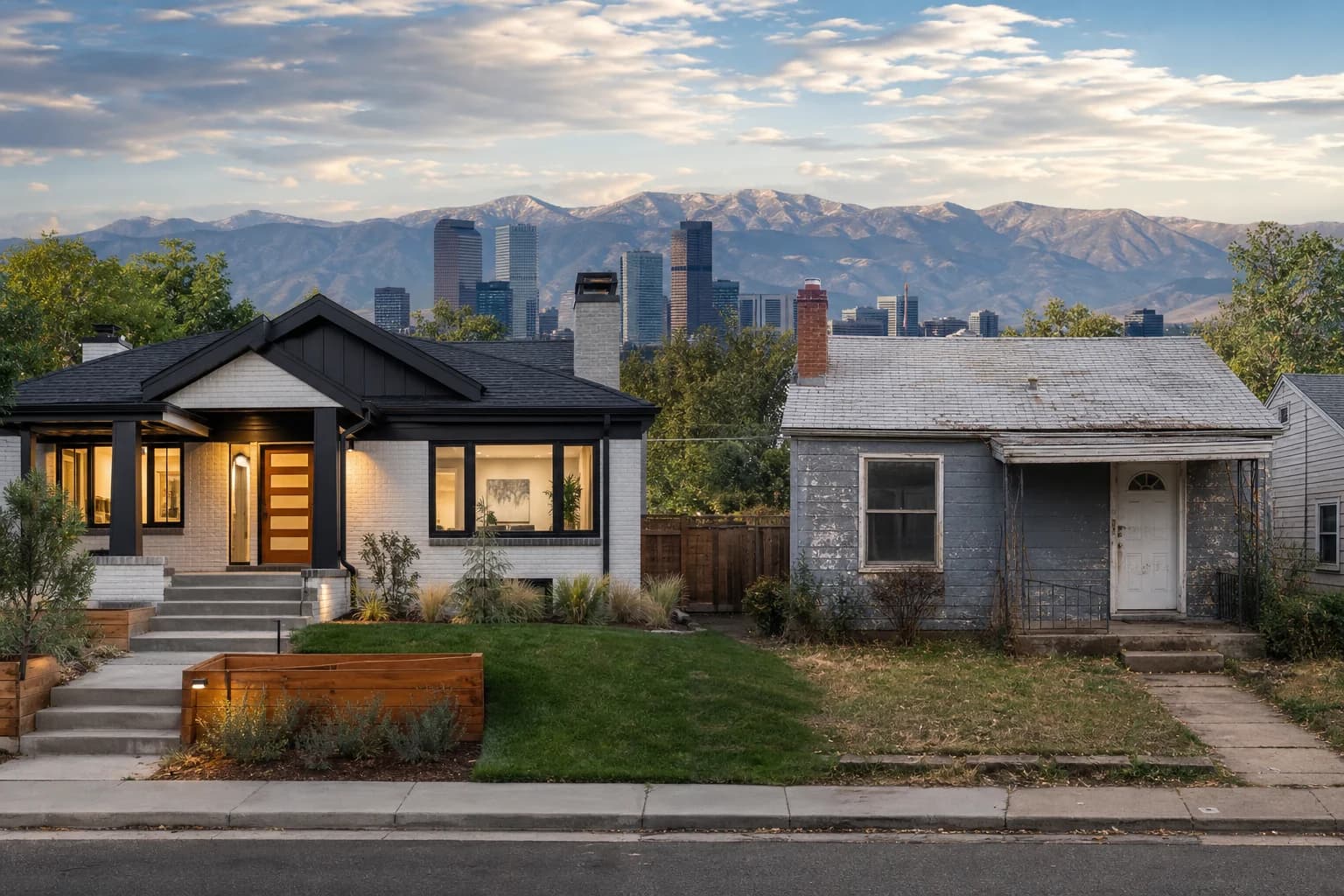
Inventory Insight: A “quality gap” exists where renovated homes move quickly while “tired” properties sit, despite rising inventory levels.
The New Reality of the Denver Real Estate Market
Lately, the biggest trend I’m noticing on the ground is that buyers and sellers are finally reacting to each other instead of to national headlines. In the current Denver real estate market, buyers aren’t frozen anymore, but they are cautious in a very specific way. They are active, touring, and writing offers—but they are far less willing to stretch for a home that is “almost right.”
The first question I’m getting isn’t about interest rates or appreciation; it’s, “Is this one actually worth it?” Homes that feel dialed in—with a good layout, clean condition, and a realistic price—are moving without drama. Conversely, homes that feel tired or aspirationally priced are sitting while buyers quietly move on. There is very little panic in Denver right now, but there is also very little FOMO.
Seller Psychology and the Need for Recalibration
On the seller side, psychology is doing most of the heavy lifting. Many homeowners entered the year anchored to the outlier outcomes of the 2021–2022 boom. What we are seeing now in the Denver real estate market is a gradual “acceptance phase.” This isn’t desperation; it’s recalibration.
The sellers who adjust their expectations early are securing clean deals and moving on with their lives. Those holding out “just to see” often find themselves calling back weeks later, wondering what changed. Usually, the answer is nothing—the buyers simply didn’t bite. As noted by experts at The Denver Metro Association of Realtors, pricing strategy remains the most critical lever for a successful sale in a shifting landscape.
The Quality Gap: Why Inventory Numbers Can Be Deceiving
I’m also seeing a widening gap between list activity and real demand. While inventory might look healthier on paper, a meaningful chunk of it consists of “stale” listings that buyers have already mentally rejected. This creates a strange dynamic: buyers feel like there’s “nothing good,” while sellers feel like they’re competing with a flood of options. Both are true when quality is uneven.
Financing continues to be the quiet governor of the Denver real estate market. Even buyers who can afford more are choosing not to. Higher monthly payments have made people more disciplined. They are running numbers carefully, thinking long-term, and leaving a margin for life instead of maxing out their pre-approvals. This is a massive shift from a few years ago, and it’s why overpricing is punished so quickly today.
Neighborhood Patterns: Renovated vs. “As-Is”
The pattern is consistent across Denver’s diverse neighborhoods. In areas with older housing stock, like Washington Park or Highlands, there is a sharp differentiation between renovated and original conditions. A well-done 1920s bungalow still commands immense attention, while the “we didn’t get to it” version across the street does not. In newer suburban pockets, layout and location matter more than finishes; buyers are fine with builder-grade if the floor plan works and the street feels right.
Ultimately, the market is functioning with less noise. Good decisions are being rewarded, and lazy ones aren’t. For buyers, patience paired with readiness is winning. For sellers, honesty about condition and price is the difference between a smooth sale and a frustrating season. This isn’t a turning point—it’s a settling point where reality has finally taken the wheel.
Ready to find your perfect home in the Denver real estate market?
Whether you are looking for a move-in-ready gem or a project with potential, our team is here to help you navigate the numbers with confidence.